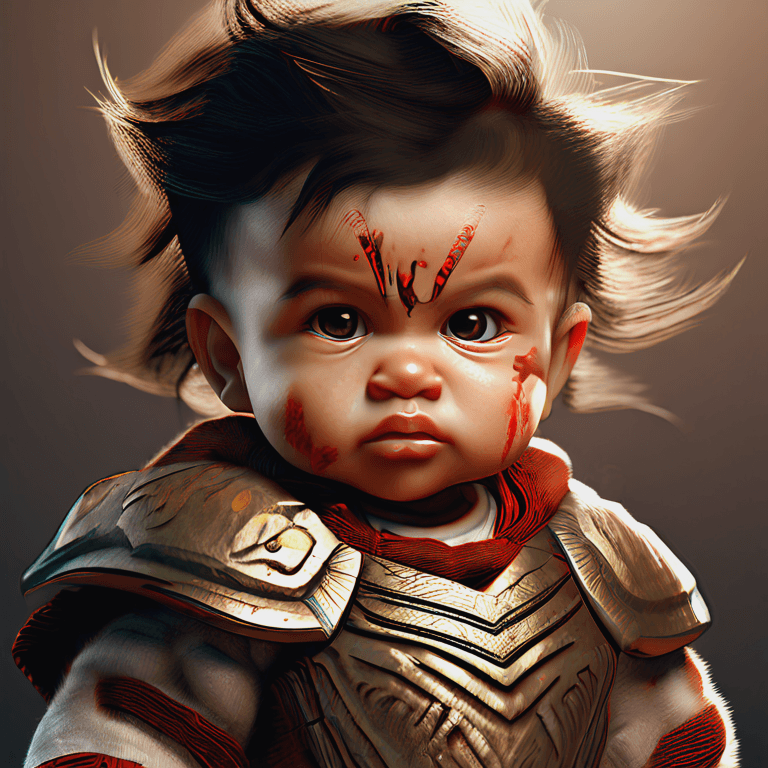
Top Visual Styles for AI Art: How to Choose the Right Look
Overview of popular styles
- Photorealistic: Best for product mockups, realistic portraits, and commercial use.
- Painterly (oil, watercolor): Great for editorial, prints, and stylized branding.
- Surreal / Conceptual: Ideal for album covers, posters, and creative campaigns.
- Low‑poly / Vector: Useful for icons, UI assets, and minimal branding.
The selection of visual style is one of the most important decisions in AI art generation, influencing not only the aesthetic outcome but also the technical approach, prompt construction, and potential applications of the generated artwork. Each style has its own strengths, challenges, and best practices that determine when and how to use it effectively. Photorealistic styles require careful attention to lighting, texture, and detail specification, with prompts that emphasize camera settings, material properties, and environmental conditions. Painterly styles benefit from references to specific artistic movements or techniques, encouraging the AI to incorporate brushwork, color blending, and textural elements associated with traditional painting media. Surreal and conceptual styles allow for more creative interpretation but require careful balance between coherence and artistic license. Low-poly and vector styles need precise geometric and color specifications to achieve their characteristic clean, simplified appearance. The choice of style also impacts the selection of models, LoRA modules, and generation parameters, as different approaches perform better with different aesthetic goals. Understanding the characteristics and requirements of each style enables more effective prompt engineering and parameter selection, leading to higher quality results with less iteration.
When to use each style
- Ecommerce product images: Photorealistic with neutral lighting.
- Social media campaigns: Bold painterly or surreal styles to stand out.
- Editorial illustrations: Painterly or mixed media for depth and texture.
The strategic selection of visual style should align with the intended application, audience, and brand identity of the generated artwork. E-commerce applications typically require photorealistic styles that accurately represent products and inspire consumer confidence. The style should match customer expectations and integrate with existing product photography. Social media content benefits from distinctive, eye-catching styles that break through content saturation and encourage engagement. Editorial applications often favor styles that convey mood, depth, or artistic sophistication, supporting the written content and enhancing reader experience. Brand applications require styles that align with existing visual identity and brand guidelines, maintaining consistency across all brand touchpoints. Marketing materials may use styles strategically to convey specific messages or emotions, such as using clean, minimal styles for tech products or rich, detailed styles for luxury goods. The intended reproduction method also influences style selection, as some styles translate better to print, digital displays, or specific formats. Cultural considerations may also influence style selection, as different visual styles carry different connotations and associations in different markets.
Prompt recipes by style
- Photorealistic product: "A photorealistic product shot of a [product], studio lighting, white background, 50mm, ultra-detailed."
- Oil painting portrait: "A portrait of [subject] in the style of classical oil painting, rich brush strokes, warm palette, high detail."
- Surreal landscape: "A surreal landscape with floating islands, dramatic lighting, cinematic color grading, ultra-detailed."
Style-specific prompt recipes distill the essential elements that define each visual style, providing reliable starting points for consistent results. These recipes incorporate the technical and aesthetic requirements specific to each style, including appropriate terminology, lighting specifications, and quality indicators. Photorealistic recipes emphasize camera-like details, material properties, and lighting setups that mirror photography techniques. Painterly recipes focus on brushwork, color theory, and artistic techniques that evoke traditional painting media. Surreal recipes balance fantastical elements with coherent composition and lighting to maintain visual believability. Abstract recipes concentrate on color, form, and texture relationships while avoiding literal representation. Each recipe can be customized with specific subjects, colors, or details while maintaining the core style characteristics. Advanced recipes may include negative elements to exclude unwanted features or artifacts specific to certain styles. The most effective recipes have been tested across multiple generations and proven to produce consistent, high-quality results. They serve as templates that can be adapted for specific applications while maintaining the integrity of the chosen style.
SEO and content strategy for style pages
- Create separate landing pages for each style (e.g., /styles/photorealistic) targeting long‑tail queries.
- Use galleries with alt text and descriptive captions to improve image search visibility.
- Include "how to achieve" sections with exact prompt examples to capture tutorial searches.
The SEO strategy for visual style content should focus on both search discoverability and user engagement, creating content that ranks well while providing genuine value to users seeking specific style information. Long-tail keywords related to specific styles, techniques, and applications often have lower competition and higher conversion potential. Content should be structured to answer common questions about each style, including when to use it, how to achieve it, and what applications it suits best. Visual examples are crucial for style-related content, as users primarily search for visual results and rely on examples to understand style characteristics. Alt text and descriptive captions should incorporate relevant keywords while accurately describing the visual elements. Internal linking between related styles and techniques helps establish topical authority and keeps users engaged with related content. Tutorial content showing step-by-step style achievement performs well for educational searches and establishes authority in the subject area. User-generated examples and community contributions can enhance content depth and authenticity. The technical implementation should ensure fast loading of image galleries and responsive design that showcases styles effectively across devices.
Conclusion
Choosing the right visual style depends on your goal: conversion, engagement, or artistic expression. Use the prompt recipes and landing page strategy to rank for style‑specific searches. The relationship between visual style and project success is often underestimated, with the right style choice significantly impacting user response and engagement. Style selection should be strategic, considering both immediate aesthetic goals and long-term brand consistency. The continued evolution of AI art capabilities means that style boundaries are becoming more fluid, allowing for innovative combinations and hybrid approaches. Success with style selection comes from understanding both the technical requirements of each style and the emotional or functional response it generates in viewers. The most effective style implementations align visual approach with project objectives, audience expectations, and brand identity, creating a cohesive and purposeful outcome.