
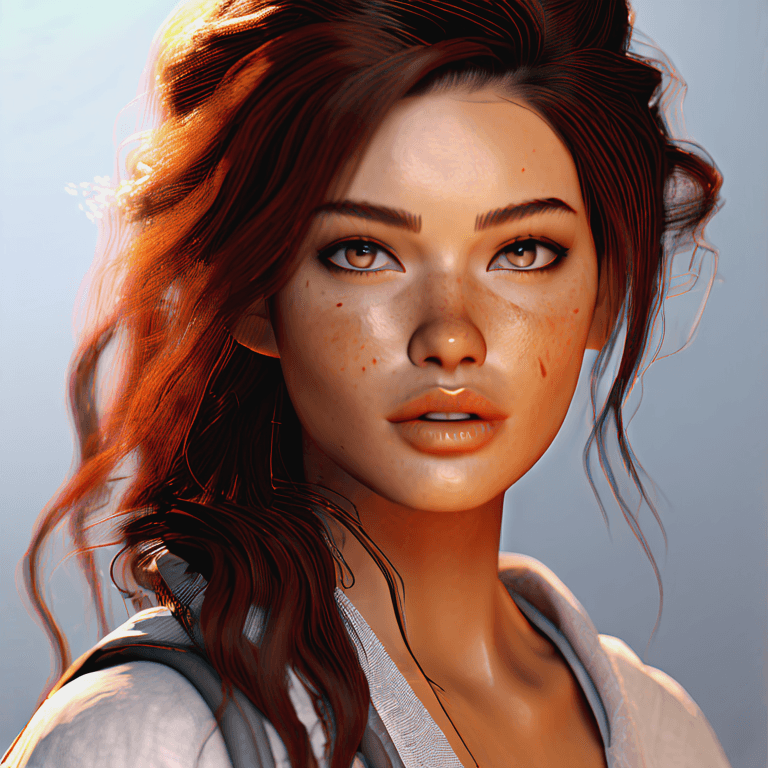
The Rise of AI Character Generators: How Digital Creators Are Transforming Visual Storytelling
Artificial Intelligence Reshapes Creative Industries
Artificial intelligence has reshaped how digital artists, game designers, and content creators build visual worlds. Among the most influential tools today are AI character generators—platforms that create professional-grade characters using machine learning, style adapters, and highly customized prompts. These tools are no longer simple "image generators"; they have become full creative engines. Their rise has unlocked new opportunities for illustrators and brands looking to streamline production and scale creative output. The impact of AI on creative industries extends far beyond simple automation; it represents a fundamental shift in how visual content is conceived, developed, and produced. AI character generators specifically have democratized access to professional-quality character design, previously requiring significant time, skill, and financial investment. Independent creators can now produce character art that rivals the output of professional illustrators, while larger studios can accelerate their production pipelines and explore more creative directions than ever before. The technology has also enabled new forms of creative expression, allowing for rapid iteration and experimentation that would be impractical with traditional methods. The widespread adoption of AI character generators has also shifted industry expectations, with audiences becoming accustomed to higher volumes of fresh, diverse character content across games, media, and digital products. The technology has made character creation more accessible to non-artists, allowing writers, game designers, and storytellers to visualize their characters directly without relying on external artists. This direct connection between concept and visualization has accelerated creative development cycles and enabled more immediate realization of creative visions. The impact on the job market has been complex, creating new roles focused on AI art direction and prompt engineering while changing the nature of traditional illustration work.
Modern Workflows Combine Text and Image Inputs
Modern character-generation models combine text-to-image and image-to-image workflows. Text input defines the personality, age, vibe, and universe of the character. Meanwhile, image-to-image takes a user's reference photo and transforms it into a new style—anime, Pixar, Ghibli, 3D game renders, or even realistic cinematic portraits. This versatility is a major reason the demand for AI character tools has exploded across YouTube thumbnails, indie games, children's books, product marketing, and social media branding. The integration of multiple input modalities in modern character generators reflects a deeper understanding of how humans conceive and develop character concepts. Often, creators have partial visual information – a rough sketch, a reference photo, or an existing character that needs modification – that is difficult to describe adequately in text alone. The ability to combine textual description with visual reference allows for more precise and nuanced character development. These hybrid workflows also enable iterative character design, where creators can start with a text prompt to establish basic concepts, then refine and adjust using image-to-image techniques. The workflow flexibility accommodates different creative approaches and skill sets, supporting both users comfortable with detailed prompt engineering and those who prefer visual iteration. The combination also enables more complex character design scenarios, such as creating multiple characters that share visual elements, designing characters that match existing art styles, or modifying existing character concepts to fit new requirements. Professional creators particularly benefit from these integrated workflows, which mirror traditional character design processes while leveraging the efficiency and capabilities of AI technology. The result is a more intuitive and flexible approach to character creation that can adapt to diverse creative needs and constraints.
LoRA Models Revolutionize Style Switching
One important innovation is the introduction of LoRA models. A LoRA is a lightweight fine-tuning layer that can instantly apply a visual style without needing to download large base models. This means creators can sit on a single model—such as SDXL—and switch styles dynamically using LoRA modules. For artists working with limited GPU resources, this approach dramatically improves workflows while reducing storage weight. LoRA models represent a significant advancement in the practical application of AI character generation, solving key challenges related to model storage, switching, and specialization. Rather than maintaining multiple full-sized models for different art styles, creators can maintain a single high-quality base model and apply specialized LoRA modules as needed. This approach is particularly valuable for character consistency, as the same underlying model architecture processes character descriptions consistently while LoRA modules apply style-specific visual transformations. The modularity of LoRA technology also enables sharing and collaboration, with communities developing and distributing specialized style modules for specific applications. The relatively small size of LoRA models makes them accessible to creators with limited storage or bandwidth, democratizing access to specialized art styles. From a technical standpoint, LoRAs maintain the integrity of the base model's understanding of character elements like anatomy and composition while adding specialized stylistic knowledge. This separation of structural understanding from artistic style proves particularly valuable in character generation, where maintaining recognizable features across different styles is crucial. The ability to blend multiple LoRA models adds another dimension of creative control, allowing for hybrid styles that combine elements from different artistic traditions.
The Future Is Personalization
The future of AI characters is tied to personalization. Platforms like Charify position themselves at the intersection of style-specific generations and advanced user control. With features like pose-guided control, high-detail rendering, and seamless image-to-image processing, creators can achieve consistent characters across multiple scenes—something extremely hard to do manually. The trend toward personalization in AI character generation reflects broader changes in consumer expectations and technological capabilities. Audiences increasingly expect personalized, customized content that reflects their specific interests, preferences, and identities. AI character generators are evolving to meet these expectations by providing more granular control over character features, more diverse style options, and better tools for creating characters that resonate with specific audiences. Personalization also extends to the workflow itself, with platforms adapting to individual creators' preferences, remembering frequently used settings, and suggesting options based on past work. The integration of user feedback into AI models promises to make character generation increasingly responsive to individual needs and preferences. The future includes more sophisticated tools for character customization, including detailed attribute control, cultural sensitivity features, and adaptive styling that responds to context and application requirements. Advanced platforms will likely include tools for creating and maintaining character consistency across projects, automatic style matching to existing visual assets, and integration with other creative tools and platforms. The personalization trend will also drive improvements in user interfaces, making character creation more intuitive and accessible to users with varying levels of technical expertise.
Strategic Advantage in Automated Storytelling
As AI models improve and copyright-safe training becomes mainstream, character generation will become an essential tool for digital businesses. Whether you're a solo creative or a full production studio, adopting AI-driven character pipelines today gives you a strategic advantage in a world shifting quickly toward automated visual storytelling. The strategic value of AI character generation extends beyond simple cost savings or speed improvements; it encompasses the ability to rapidly prototype ideas, explore more creative directions, and scale visual content production to meet growing audience demands. Organizations that integrate AI character generation into their workflows gain flexibility in responding to market changes, the ability to experiment with new visual directions, and the capacity to maintain consistent character identities across multiple products and platforms. The technology also enables new business models, such as customizable products featuring personalized characters, interactive storytelling platforms, and dynamic content that adapts to user preferences. From a competitive standpoint, organizations using AI character generation can respond more quickly to market trends, produce more diverse character content, and allocate human creative resources to higher-level conceptual work rather than repetitive tasks. The strategic advantage also includes the accumulation of knowledge and expertise in AI-driven creative processes, positioning organizations to take advantage of future advances in the technology. As the quality of AI-generated characters continues to improve, the strategic advantage shifts toward organizations that have developed sophisticated workflows and quality control processes for integrating AI-generated content into their products and services.