
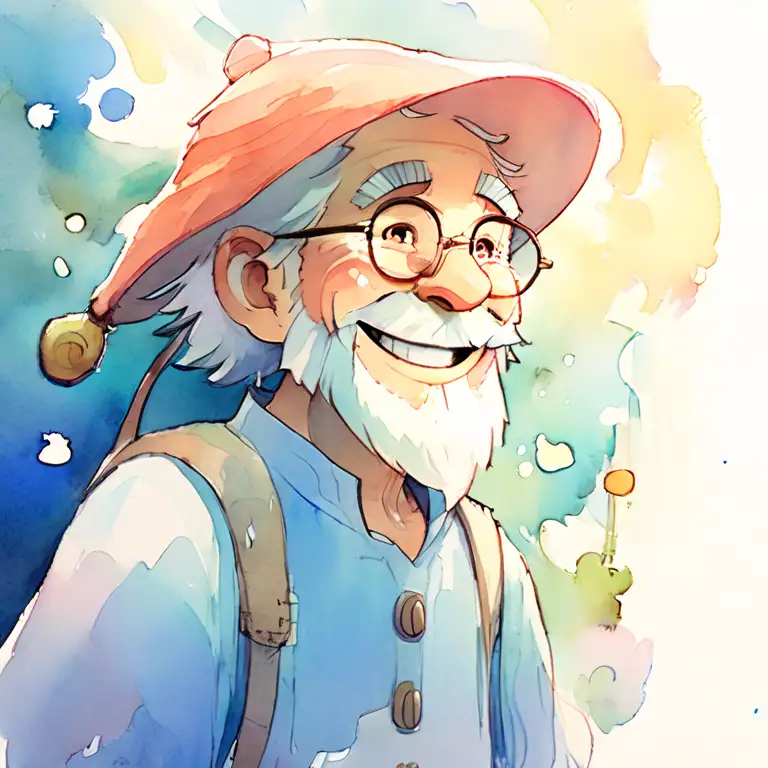
Ghibli AI Art Generator — Create Studio Ghibli Style Characters Free
Why Studio Ghibli Style AI Art Has Taken the World by Storm
Studio Ghibli has produced some of the most beloved animated films in history — Spirited Away, My Neighbor Totoro, Princess Mononoke, Howl's Moving Castle — and the visual aesthetic that defines these films has become one of the most recognizable and universally admired art styles in the world. The distinctive Ghibli look — soft watercolor-inspired backgrounds, warmly colored characters with expressive faces and flowing hair, magical environments where nature and fantasy intertwine, and a painterly quality that feels simultaneously ancient and timeless — has captured imaginations across generations and cultures. The emergence of Ghibli AI art generators has made this iconic visual style accessible to creators who have always loved it but lacked the artistic skills or resources to create it themselves. This guide covers everything you need to know about generating authentic Ghibli-style AI art: what makes the Ghibli aesthetic distinctive, how to write prompts that reliably produce it, what use cases it serves best, and how to maintain consistency across multiple Ghibli-style generations for ongoing creative projects.
What Defines the Ghibli Visual Aesthetic
Understanding the specific visual characteristics that define Studio Ghibli's aesthetic is essential for writing prompts that reliably produce authentic-feeling Ghibli-style AI art. The Ghibli look is not a single style but a family of related approaches united by a coherent visual philosophy — one that prioritizes emotional warmth, environmental richness, and a sense of lived-in authenticity that makes even fantastical worlds feel tangible and real.
Color palette is one of the most immediately recognizable Ghibli characteristics. Ghibli films favor warm, slightly desaturated color palettes with rich earth tones — terracotta, sage green, golden yellow, dusty rose, warm sky blue — balanced against moments of vivid color that punctuate emotionally significant scenes. The palette feels natural and organic rather than synthetic, evoking the colors of sunlight through leaves, late afternoon meadows, and weathered wood. Avoiding pure, fully saturated colors in favor of these slightly muted, warmer alternatives is crucial to achieving the Ghibli palette in AI generation. Backgrounds and environments receive extraordinary attention in Ghibli films — they are as carefully crafted and emotionally meaningful as the characters themselves. Ghibli environments tend to be detailed, layered, and rich with texture: elaborately described forest floors with mossy stones and filtered light, bustling towns with intricate architectural detail, vast skies with precisely rendered cloud formations. In AI generation, requesting detailed, layered environmental elements with a painterly texture produces backgrounds that approach the Ghibli sensibility. Character design in Ghibli films follows specific principles: relatively simple facial features that communicate emotion clearly and universally, hair that flows and moves with evident physical weight, clothing that feels worn and lived-in rather than pristine, and proportions that emphasize youth and vitality with rounded features. Ghibli characters rarely look idealized — they look like real people living in extraordinary circumstances, which is part of what makes them so emotionally resonant. Light and atmosphere define Ghibli's signature mood. The studio's films are famous for their extraordinary use of light — the quality of sunlight at different times of day, the way light filters through leaves or reflects off water, the atmospheric haze of humid summer air or misty morning fog. Specifying lighting quality in Ghibli AI art prompts — "warm afternoon sunlight filtering through forest canopy," "soft golden hour light on rolling meadows," "misty morning atmosphere with diffused natural light" — is essential for capturing the signature Ghibli mood.Writing Prompts for Ghibli-Style AI Art
The key to consistently generating Ghibli-style AI art lies in combining style specification with descriptive elements that evoke the specific qualities of Ghibli aesthetics. Generic style requests like "Studio Ghibli style" or "Ghibli aesthetic" provide baseline guidance, but adding specific descriptive elements that reflect Ghibli's visual philosophy produces significantly more authentic results.
Core style modifiers for Ghibli AI art:- "Studio Ghibli style, Hayao Miyazaki inspired"
- "painterly watercolor textures, soft pastel tones"
- "detailed hand-drawn aesthetic, warm color palette"
- "whimsical fantasy atmosphere, rich environmental detail"
- "Ghibli film aesthetic, soft natural lighting"
- "slightly desaturated warm colors, earthy tones"
For young protagonists in the Spirited Away tradition: "A young girl with short dark hair and bright curious eyes, wearing simple casual clothes slightly rumpled from adventure, standing at the entrance to a mysterious tunnel overgrown with plants, Studio Ghibli style, warm afternoon light, painterly textures, detailed environment."
For the nature-connected characters of Princess Mononoke or Nausicaa: "A young woman with windswept hair and determined eyes, wearing practical warrior clothing with leather details, standing in an ancient forest with giant trees and filtered light, Studio Ghibli style, rich earth tones, detailed foliage, atmospheric mist."
For the cozy domestic scenes of Kiki's Delivery Service or My Neighbor Totoro: "A cheerful young girl in a simple dress and apron, sitting in a sunny kitchen with herbs hanging from the ceiling and bread cooling on the counter, Studio Ghibli style, warm golden interior light, soft painterly textures, detailed background."
Environment and landscape Ghibli prompts:Spirited Away-inspired magical landscapes: "A ancient spirit bathhouse perched on a hilltop surrounded by misty forest, connected to the human world by a long stone bridge, nighttime with warm golden light from hundreds of windows, Studio Ghibli style, painterly textures, atmospheric mist, rich detail."
Totoro-inspired countryside: "Lush Japanese countryside in summer, golden rice fields extending to distant hills, a single ancient camphor tree on a gentle rise, cumulus clouds in a warm blue sky, Studio Ghibli style, warm afternoon light, rich green tones, painterly quality."
Howl's Moving Castle aesthetic: "A mechanical castle moving across rolling green hills, steam and smoke trailing behind, against a dramatic sky with large clouds, Studio Ghibli style, warm color palette, detailed mechanical elements, painterly textures."
Ghibli Style AI Art for Different Creative Applications
Ghibli-style AI art serves a remarkably wide range of creative applications, and understanding which aspects of the aesthetic are most important for each application helps you write more targeted prompts.
Children's book illustration benefits most from the warmth, clarity, and emotional accessibility of Ghibli character design. The relatively simple facial features that communicate emotion clearly, the non-threatening natural environments, and the sense of wonder that permeates Ghibli aesthetics make it ideal for illustrated stories for young readers. For children's book applications, emphasize the gentler, more pastoral Ghibli aesthetics of My Neighbor Totoro or Kiki's Delivery Service rather than the more complex or dark aesthetics of Princess Mononoke or Spirited Away. Game concept art and asset development is one of the strongest applications for Ghibli-style AI generation. The Ghibli aesthetic translates naturally to game environments, character designs, and UI elements, particularly for adventure, puzzle, and narrative games targeting family audiences or players who appreciate artistic, emotionally resonant visual design. Game developers can use Ghibli AI generation to rapidly explore visual directions for game worlds, develop concept art for key characters and locations, and establish the visual language of their game's aesthetic. Social media content and digital marketing has discovered the Ghibli aesthetic as one of the most universally appealing visual styles available, combining nostalgic warmth with visual sophistication in a way that resonates across demographics and cultures. Ghibli-inspired product imagery, lifestyle content, and brand visuals perform consistently well on Instagram, Pinterest, and other visually-oriented platforms. Personal creative projects — fan art, illustrated journals, personal character development, worldbuilding for novels or tabletop games — represent perhaps the most natural home for Ghibli-style AI generation. The aesthetic's ability to make any setting feel magical, warm, and emotionally meaningful makes it ideal for the personal creative projects where emotional resonance matters more than technical precision. Book cover and publishing design has increasingly adopted Ghibli-influenced aesthetics for fantasy, middle grade, and young adult titles, where the combination of visual appeal and emotional warmth attracts the target audience effectively.Maintaining Ghibli Style Consistency Across Multiple Generations
For projects that require multiple Ghibli-style images — a series of character designs, a sequence of story illustrations, or a set of game assets — maintaining visual consistency is essential. The Ghibli aesthetic involves many interdependent elements that need to remain coherent across generations for the images to feel like they belong to the same visual world.
Style anchor phrases are the foundation of Ghibli consistency. Developing a standardized set of style modifiers that you use consistently across all generations of a project — your personal "Ghibli formula" — ensures that all images share the same fundamental aesthetic character. Test different combinations of style modifiers and document which combination most reliably produces the Ghibli aesthetic that matches your project's vision. Color palette consistency requires careful prompt attention. If your project's Ghibli world features specific dominant colors — the warm terracottas and forest greens of a countryside adventure, the cool blues and deep purples of a nighttime magical realm — specifying these colors consistently across all prompts ensures that your generated images share the same chromatic world. Character consistency in Ghibli-style generation follows the same principles as character consistency in other styles but requires particular attention to the soft, expressive facial features that define Ghibli character design. Documenting your character's facial structure, hair design, and clothing in specific Ghibli-appropriate terms — and using image-to-image generation from a successful character reference — produces the most reliable consistency. Image-to-image Ghibli refinement is particularly effective because the painterly, textural quality of Ghibli art provides a rich reference that guides subsequent generations reliably. Once you have generated a Ghibli-style image that captures the exact aesthetic quality you want — the precise color warmth, the painterly texture, the atmospheric quality — using it as a reference for image-to-image generation with carefully managed denoising strength (0.4–0.6 for significant variation while maintaining aesthetic consistency) produces remarkably coherent sets of images.The Commercial Opportunity in Ghibli-Style AI Art
The global appeal of Studio Ghibli's aesthetic has created significant commercial opportunities for creators who can produce Ghibli-inspired art effectively. The Ghibli aesthetic commands premium positioning in markets ranging from children's products to premium home décor, reflecting the perception of the style as warm, artistic, and emotionally sophisticated.
Print and merchandise featuring Ghibli-inspired character art and landscape imagery performs consistently well on platforms like Redbubble, Society6, and Etsy, where the aesthetic's universal appeal translates to strong market demand. Ensuring full commercial licensing for your generated images — as Charify provides across all plan tiers — is essential for these commercial applications. Digital content creation for YouTube, streaming, and social media channels has found Ghibli-style thumbnails, backgrounds, and character art to be among the most effective visual strategies for channels targeting audiences who appreciate artistic, culturally sophisticated aesthetics. Game development using Ghibli-inspired visuals benefits from the aesthetic's established audience familiarity and emotional associations, providing a head start in creating the atmospheric, emotionally resonant game experiences that the style supports so naturally.The commercial viability of Ghibli-style AI art depends entirely on clear commercial licensing terms — images generated on platforms with restrictive or ambiguous licensing cannot be deployed in commercial applications without legal risk. Platforms like Charify that provide explicit full commercial licensing on all generated images eliminate this uncertainty and enable confident deployment of Ghibli-style AI art in commercial contexts.
Getting Started with Ghibli AI Art Generation
Beginning your Ghibli AI art practice requires nothing more than access to a quality AI generation platform and a few minutes to develop your first Ghibli prompt. Start with a relatively simple subject — a character in a natural outdoor setting, or a landscape with a distinctive atmospheric quality — and apply the core Ghibli style modifiers to your description.
Evaluate your first results against the specific Ghibli qualities most important to your project: Is the color palette warm and slightly desaturated? Does the lighting feel natural and atmospheric? Do the textures have that painterly, hand-crafted quality? Is the environmental detail rich without feeling mechanical? These evaluative criteria will guide your prompt refinement as you develop the specific formula that produces your personal Ghibli aesthetic most reliably.
The learning curve for Ghibli AI art generation is gentler than for many other styles precisely because the aesthetic's key qualities are so clearly articulable: warmth, naturalness, painterly texture, environmental richness, and emotional expressiveness. These qualities translate directly into prompt language that the best AI generation platforms interpret reliably, making Ghibli-style generation one of the more rewarding and accessible AI art practices for creators at all experience levels.
Charify's Ghibli style option is specifically fine-tuned to reproduce the aesthetic qualities that define this beloved visual tradition — the warmth, the painterly texture, the atmospheric richness — providing a strong foundation for your Ghibli AI art practice without requiring deep prompt engineering expertise to achieve authentic-feeling results.