
Text-to-Image vs Image-to-Image in AI Character Generation
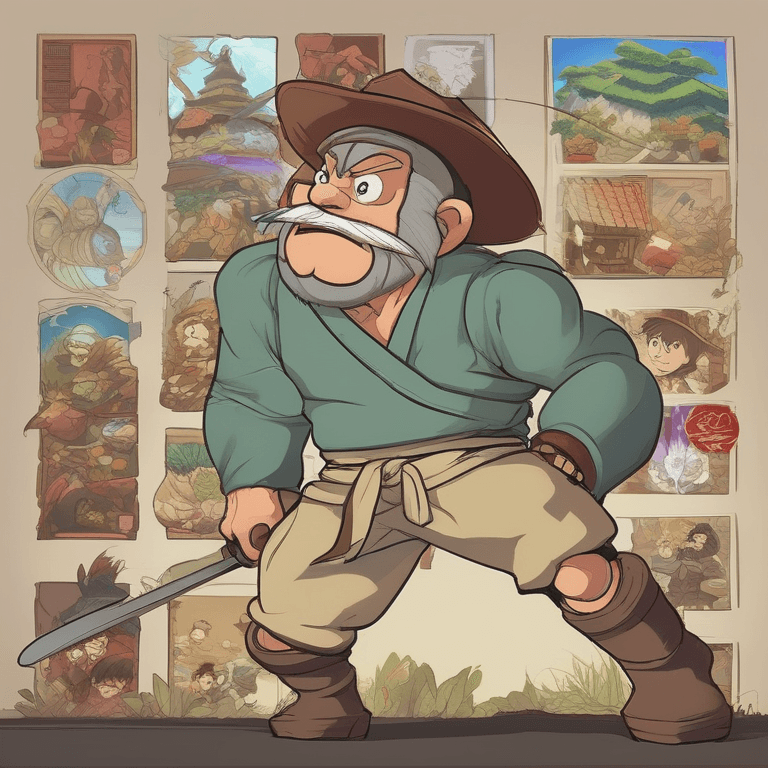
Text-to-Image vs Image-to-Image in AI Character Generation
When working with AI character generators, one of the most common questions creators face
When working with AI character generators, one of the most common questions creators face is whether to use text-to-image or image-to-image workflows. While both approaches rely on the same underlying diffusion models, they serve very different creative purposes.
Text-to-image generation is ideal for exploration
Text-to-image generation is ideal for exploration. It allows users to create characters from scratch using descriptive prompts. This method is powerful for concept design, brainstorming, and discovering new visual directions. However, it can be unpredictable, especially when creators need consistent results across multiple generations.
Image-to-image, on the other hand, prioritizes control
Image-to-image, on the other hand, prioritizes control. By starting with a reference image, creators can preserve pose, proportions, and identity while applying new styles or refinements. This makes it the preferred choice for professional workflows where consistency matters—such as character series, brand assets, or narrative projects.
In practice, the most effective pipelines combine both methods
In practice, the most effective pipelines combine both methods. Creators often start with text-to-image to define the character's base appearance, then switch to image-to-image for refinement and repetition. With the addition of LoRA styles, image-to-image becomes even more powerful, allowing precise style application without losing structural accuracy.
For platforms like Charify, supporting both workflows is essential
For platforms like Charify, supporting both workflows is essential. Users range from beginners experimenting with prompts to professionals refining assets for commercial use. By offering adjustable denoising strength, style weights, and reference handling, a single system can satisfy both needs.
Understanding when to use each approach is key to maximizing output quality and efficiency
Understanding when to use each approach is key to maximizing output quality and efficiency. Text-to-image fuels creativity, while image-to-image enables production. Together, they form the foundation of modern AI-driven character creation.
Related Articles
AI Character Generator for Marketing, Branding, and Social Media
Discover how AI character generators are becoming essential tools for modern marketing and brand development, enabling consistent visual identities across all platforms.
Best AI Character Generator Tools in 2025 (Professional Comparison)
A professional comparison of the best AI character generator tools in 2025, focusing on consistency, scalability, style flexibility, and commercial usability for creators.